


Are you thinking about moving to Warsaw? Maybe you’re a digital nomad looking for your next base, or an expat considering Poland’s vibrant capital as your new home. Understanding the cost of living in Warsaw is crucial before making such a big decision. Warsaw offers an attractive blend of European quality of life at prices that won’t break your bank, especially when compared to Western European capitals. Let me walk you through everything you need to know about living expenses in this dynamic city.
- Warsaw Living Costs in 2025: What to Expect
- Housing and Rent Expenses
- Transportation Costs in Warsaw
- Grocery Shopping and Food Prices
- Leisure and Entertainment Expenses
- Comparison with Other Major Cities in Poland
- Average Living Cost for a Single Person
- Working and Earning in Warsaw
- Is It Possible to Live Comfortably in Warsaw?
- Final Thoughts: Moving to Warsaw in 2025
(Planning a visit to Warsaw first? Check out our secure luggage storage location in the city center, so you can explore hands-free before making your big move!)
Warsaw Living Costs in 2025: What to Expect
Warsaw has grown significantly over recent years, and the cost of living reflects its status as a major European hub. However, you’ll find that prices in Warsaw remain considerably lower than in cities like London, Paris, or Berlin. As of Nov 2025, the city continues to attract international students, expats, and remote workers who appreciate the balance between affordability and quality of life. For example, well-known blogger Wiaczesław Zarutski chose to live in Warsaw, even though he travels frequently to other countries and cities.
The average cost of living for a single person in Warsaw typically ranges from 3000 to 5000 PLN (€680-1140 / $730-1220) per month, excluding rent. This covers your basic expenses like food, transport, and leisure activities. If you’re earning a decent salary, you can live quite comfortably while still having money left for savings or travel. Many foreigners currently living in the capital report that their quality of life improved after relocating from more expensive European countries.
Housing and Rent Expenses
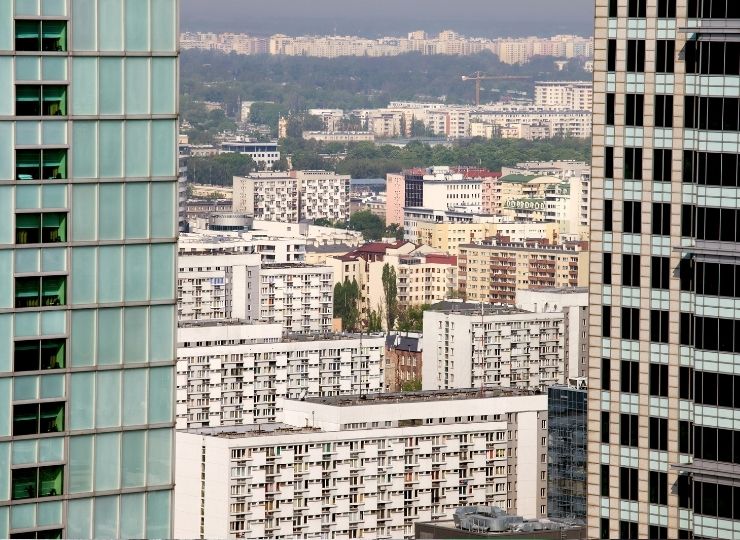
Housing costs will represent your biggest monthly expense if you decide to move here. Rent varies dramatically depending on location and apartment size. In the city center, expect to pay between 2500-4000 PLN (€570-910 / $610-975) for a one bedroom apartment, while the same apartment outside the center might cost 1500-2500 PLN (€340-570 / $365-610) per month.
If you’re looking at a two-bedroom place in a good location, prices typically range from 3500 to 6000 PLN (€795-1365 / $855-1465) depending on the neighborhood. Mokotów and Śródmieście are popular among expats but come with premium price tags. Areas like Praga or Ursynów offer more affordable options while still providing excellent public transportation connections. You can browse current listings on popular platforms like Otodom or OLX. If you need the place for just couple of weeks at the beginning, use AirBnb.
The price per square meter for rent in Warsaw averages around 50-80 PLN (€11-18 / $12-20) in central locations and 35-50 PLN (€8-11 / $8.50-12) in outer districts. Student accommodation options include university dormitories starting from as low as 600 PLN (€136 / $146) per month, making Warsaw particularly attractive for international students seeking affordable housing.
Utilities and Monthly Living Expenses
Beyond rent, you’ll need to budget for utility bills. Rent and utilities combined typically represent your largest expense, so let’s break down what to expect.
For a standard apartment, monthly utilities including electricity, heating, water, and garbage collection usually cost between 400-800 PLN (€91-182 / $98-195) depending on the season and apartment size.
Internet and mobile phone services are relatively affordable in Warsaw. High-speed internet costs around 50-80 PLN (€11-18 / $12-20) monthly, while a decent mobile plan with plenty of data runs about 30-50 PLN (€7-11 / $7-12). If you’re comparing the cost of living with Western Europe, you’ll notice these communication costs are significantly lower.
During winter months, heating costs increase, so budget an extra 200-300 PLN (€45-68 / $49-73) if your apartment doesn’t have fixed utility fees included in rent. Many modern buildings offer more efficient heating systems that help keep these costs manageable.
Transportation Costs in Warsaw
Getting around Warsaw is both convenient and affordable. Public transport operates efficiently with metro, buses, and trams covering the entire city. A monthly public transportation pass costs just 110 PLN (€25 / $27), which is remarkably cheap compared to other European capitals.
Single tickets start at 3.40 PLN (€0.77 / $0.83) for a 20-minute ride within one zone. The metro system connects major districts, while the extensive bus and tram network ensures you can reach any part of the city easily. You can check routes and plan your journey on the official ZTM Warsaw website, however more convenient option is to install an app called “jakdodaje”.
For those preferring private transport, taxi and ride-sharing services are reasonably priced. A typical 5km ride costs around 25-35 PLN (€6-8 / $6-8.50). Many residents find they don’t need a car thanks to the excellent public transport infrastructure, which helps keep overall transportation expenses low.

Grocery Shopping and Food Prices
Food costs in Warsaw depend largely on your shopping habits and lifestyle. Grocery shopping at local supermarkets like Biedronka or Lidl keeps expenses manageable. A single person typically spends 800-1200 PLN (€182-273 / $195-293) monthly on groceries if cooking at home regularly.
Here’s what you can expect to pay for common items: bread (3-5 PLN / €0.68-1.14 / $0.73-1.22), milk per liter (3-4 PLN / €0.68-0.91 / $0.73-0.98), 10 eggs (8-12 PLN / €1.82-2.73 / $1.95-2.93), chicken breast per kg (20-30 PLN / €4.55-6.82 / $4.88-7.32), and local cheese (15-25 PLN per 250g / €3.41-5.68 / $3.66-6.10). Fresh produce from local markets offers great quality at competitive prices, especially if you shop seasonally.
Eating out is affordable compared to Western Europe. A meal at an inexpensive restaurant costs 30-50 PLN (€7-11 / $7-12), while a mid-range restaurant dinner for two runs about 150-200 PLN (€34-45 / $37-49). Coffee culture thrives in Warsaw, with a cappuccino at a trendy café costing 12-18 PLN (€2.73-4.09 / $2.93-4.39), however you can find cheaper options too.
Leisure and Entertainment Expenses
Warsaw offers plenty of leisure activities that fit various budgets. Cinema tickets cost around 30-40 PLN (€7-9 / $7-10), while museum entries typically range from 20-50 PLN (€4.55-11 / $4.88-12), with many offering free admission on certain days. Gym memberships run between 100-200 PLN (€23-45 / $24-49) monthly, depending on the facility, but many employers offer Multisport card as a standard benefit. The card allows you to enter plenty of sports facilities free of charge.
If you enjoy nightlife, expect to pay 15-30 PLN (€3.41-6.82 / $3.66-7.32) for a beer in a bar and 30-50 PLN (€7-11 / $7-12) for cocktails. The city’s cultural scene is vibrant and accessible, with theater tickets starting around 50 PLN (€11 / $12). Many parks and outdoor spaces offer free entertainment, making it easy to enjoy the city without constantly spending money.
Health insurance is mandatory if you’re working in Poland, typically covered by your employer. Private health insurance for additional coverage costs approximately 150-300 PLN (€34-68 / $37-73) monthly, usually offering faster access to specialists and better facilities. Check companies such as Lux Med, Enel Med or Medicover for their offer.
Comparison with Other Major Cities in Poland
How does Warsaw stack up against other cities in Poland? Krakow and Wroclaw offer similar cost of living, though Warsaw tends to be 10-20% more expensive due to higher salaries and demand. Gdansk on the Baltic coast presents comparable prices for rent but slightly lower food costs.
Warsaw is the most expensive, however, this premium comes with benefits: better job prospects, higher salaries, more international connections and greater cultural diversity. Many expats find that the higher salary in Warsaw more than compensates for the slightly elevated expenses.

Average Living Cost for a Single Person
Let’s put together a realistic monthly budget for a single person living in the capital of Poland in 2025. Here’s what an average living cost breakdown looks like:
- Rent (one bedroom outside center): 1600-2000 PLN (€364-455 / $390-488)
- Utilities: 400-600 PLN (€91-136 / $98-146)
- Groceries: 800-1200 PLN (€182-273 / $195-293)
- Transportation (monthly pass): 110 PLN (€25 / $27)
- Mobile phone and internet: 80-100 PLN (€18-23 / $20-24)
- Entertainment and leisure: 300-500 PLN (€68-114 / $73-122)
- Health insurance (if not employer-covered): 150-300 PLN (€34-68 / $37-73)
- Miscellaneous expenses: 200-400 PLN (€45-91 / $49-98)
Total monthly expenses: approximately 3640-5210 PLN (€827-1184 / $888-1271)
This budget allows for comfortable living without excessive luxury. If you earn around 8000-10000 PLN (€1818-2273 / $1951-2439) monthly (a realistic salary for skilled professionals or remote workers), you’ll have substantial room for savings or higher-end lifestyle choices.
Working and Earning in Warsaw
Understanding salary expectations helps contextualize living expenses. The average monthly salary in Warsaw for skilled professionals ranges from 4400 – 8500 PLN (€1410-2820 / $1620-3240) net, depending on your industry and experience. IT specialists, marketing professionals, and finance experts often earn significantly more, with senior positions reaching 11100-18500 PLN (€2609-4350 / $2997-4995) monthly.
For a single person working remotely with foreign income, Poland becomes even more attractive. If you’re earning in EUR or USD while living here, your purchasing power increases substantially. Many digital nomads report being able to maintain a high quality of life while saving a significant portion of their income.
Keep in mind that employers in Poland typically calculate mortgage costs and other major expenses in PLN. If you’re considering buying a property, the price per square meter in Warsaw averages 12000-18000 PLN (€2727-4091 / $2927-4390) in popular neighborhoods.
Is It Possible to Live Comfortably in Warsaw?
Absolutely! Life in Warsaw offers excellent value for money, especially for those coming from more expensive countries. The city combines modern infrastructure, rich history, safety, and cultural diversity at a fraction of the cost you’d pay in Western European capitals.
For a single person, it’s entirely possible to live on 4000 PLN (€909 / $976) monthly if you’re budget-conscious. Families will need larger budgets, particularly if including kindergarten or private schooling (international schools cost 2000-4000 PLN / €455-909 / $488-976 monthly).
The relatively affordable nature of Warsaw extends beyond basic living expenses. You’ll find that your money goes further whether you’re furnishing an apartment, updating your wardrobe, or exploring Poland’s other beautiful regions on weekends.
Final Thoughts: Moving to Warsaw in 2025
Making the decision about moving to Warsaw comes down to balancing cost against opportunity. The cost of living in Warsaw remains one of the most competitive among European capitals, particularly when you factor in the quality of life, safety, and cultural offerings available.
Warsaw welcomes expats with increasing ease, offering English-speaking services, international communities, and growing job opportunities. Whether you’re a digital nomad, international student, or professional seeking new challenges, understanding these costs helps you plan effectively. The official City of Warsaw portal provides useful information for newcomers, but feel free to write to me and ask for help or directions.
Remember that individual expenses vary based on lifestyle choices. Some people thrive on 4000 PLN (€909 / $976) monthly, while others prefer spending 7000 PLN (€1591 / $1707) for better quality accommodations and frequent dining out. The beauty of Warsaw lies in its flexibility – the city accommodates both budget-conscious residents and those seeking luxury.
Start planning your Warsaw adventure by researching specific neighborhoods, connecting with expat communities like Expats Warsaw on Facebook, and perhaps visiting for a reconnaissance trip. The city’s combination of history, modernity, and affordability makes it an increasingly popular choice for those seeking a European base without the Western European price tag.

Tom
Hey there! I'm from Poland and I love exploring my own country. I enjoy helping travelers discover cool spots and sharing what's worth seeing. It's great when I can offer that local insider knowledge - I'm always happy to help plan your trip and show you what makes Poland so special!


